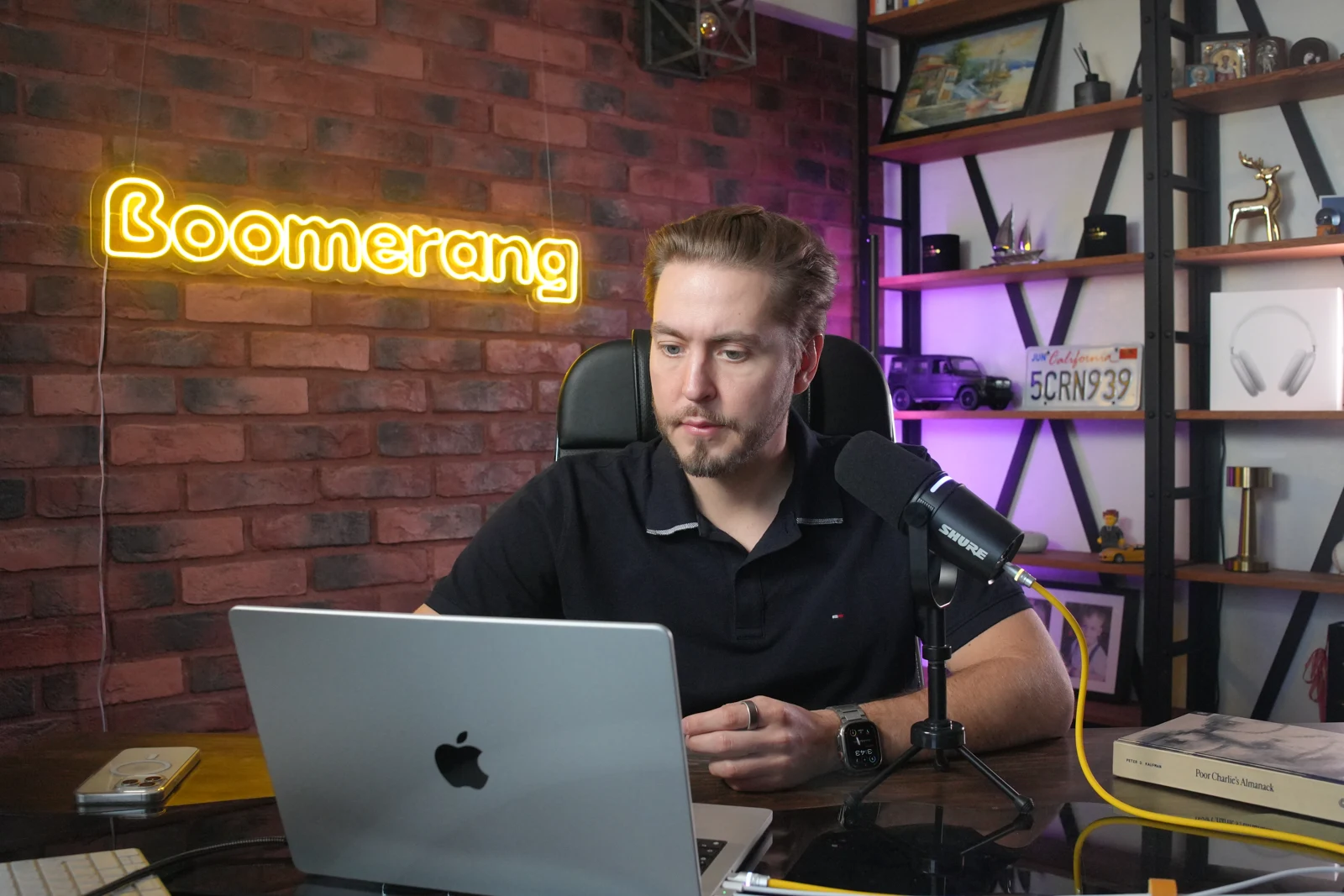
This year, I’ve been rebuilding Boomerang from a human-first company into an AI-first company. The change reaches beyond the product: it affects how we support customers, develop software, and operate the business.
I’ve managed teams of around 50 people. Now I’m looking at what a smaller team can accomplish with AI agents doing more of the work. Here are three places where the change is already visible.
71% of support requests, resolved by AI
Today, AI agents completely resolve 71% of customer support requests without human involvement. These are resolved requests, rather than simply replies written with AI.
The remaining requests still need people. That distinction is important: the useful result is a customer getting their issue resolved.
From one release to 12–15 a week
A year ago, we were shipping around one release per week. Now we ship 12–15 releases per week, comparable in scope to the releases we used to make.
My assessment is that developer effectiveness has increased eightfold compared with how we worked a year ago. That is my operating assessment, rather than a conclusion calculated from release frequency alone. The release count is a separate, concrete view of how our pace has changed.
Operating costs more than halved
Over the six months leading up to October 2026, we reduced operating costs by more than half as we introduced AI into the product, sales, and company processes.
We’ve optimised team size and increased what each person can accomplish. For me, this is the practical question behind an AI-first company: what can the business deliver with the people and tools it has?
A company in transition
This is work I’m doing inside a running business, with customers, a product, and a team. The interesting part is seeing changes across several areas at once, and continuing to improve how they fit together.
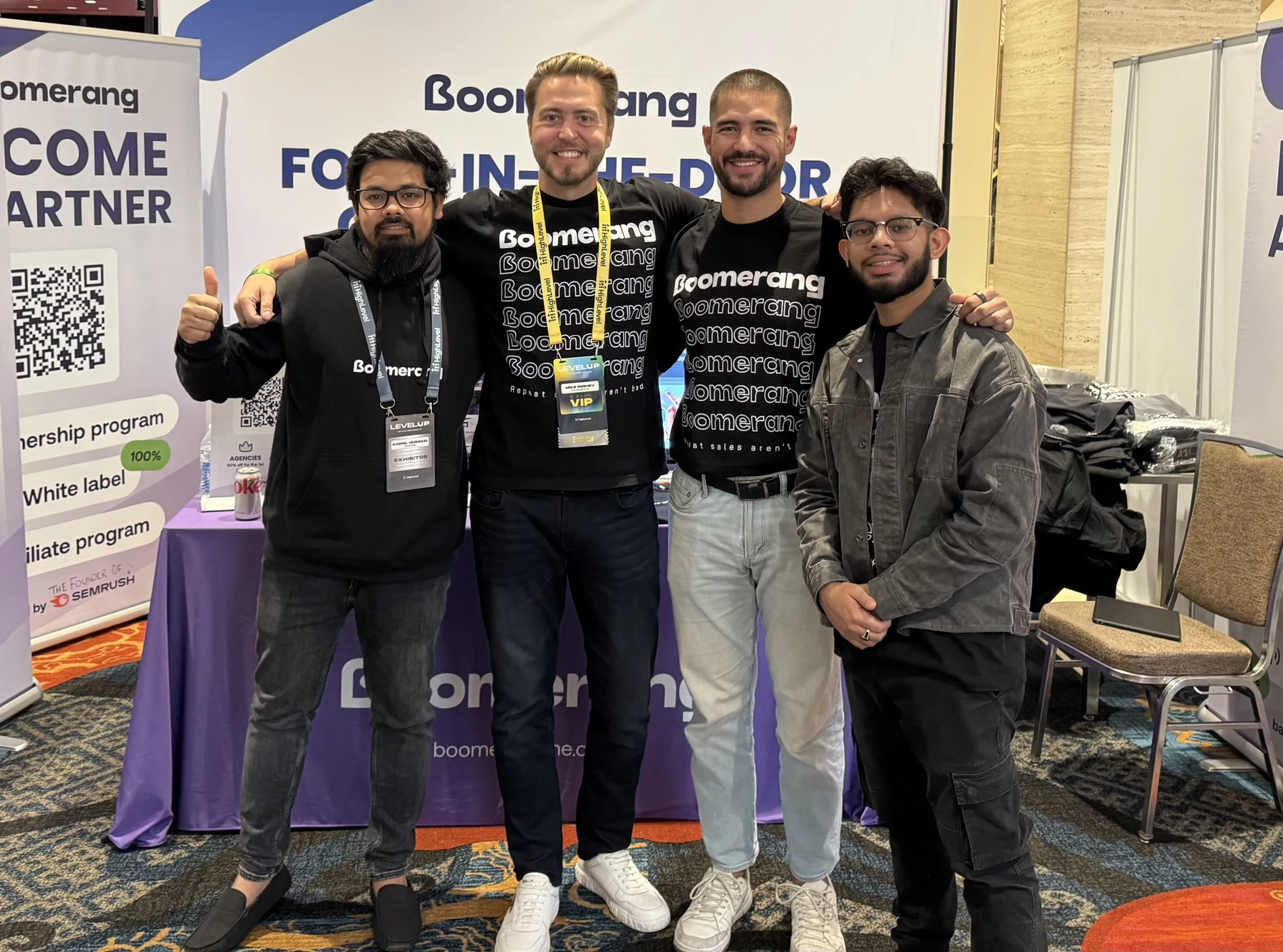

I talk about AI, retention, and the future of marketing on my YouTube channel. If you’re working through similar changes, I’d be glad to compare notes.
Figures reflect my account of Boomerang’s operations in October 2026. Support resolution, release frequency, and operating costs describe separate measures. Developer effectiveness is my assessment against the previous year.